Smartphones have become essential tools for modern businesses. Employees rely on them for communication, collaboration, email, document access, and customer interaction throughout the day.
With every new generation of flagship devices, the question for businesses becomes the same: which device is the better fit for productivity, security, and long-term usability?
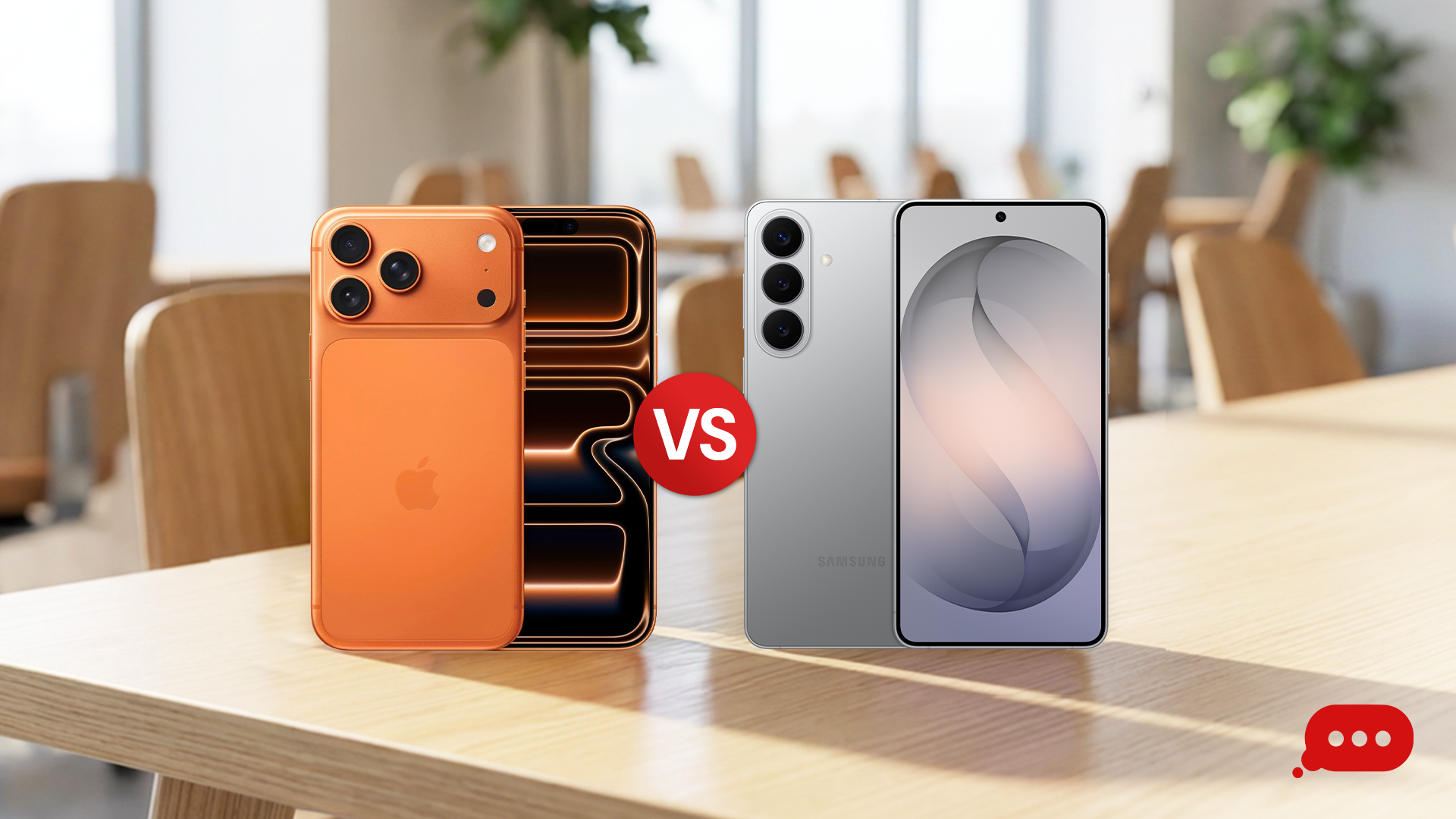
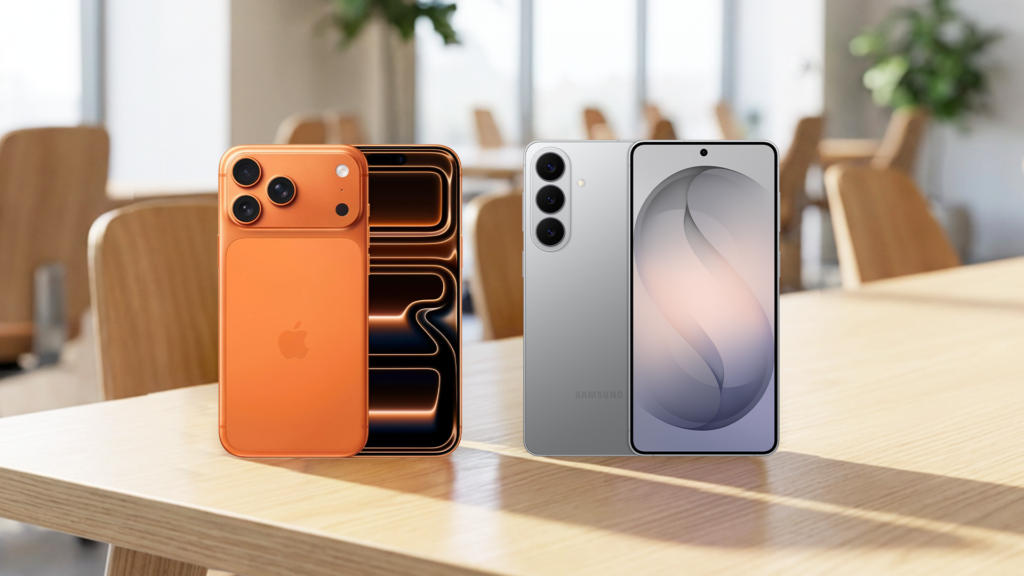
Two of the most anticipated releases are the Samsung S26 Ultra and the iPhone 17 Pro. Both devices offer premium performance, but they approach business usage in slightly different ways.
Performance and Productivity
The Samsung S26 Ultra focuses heavily on productivity. With a large display and strong multitasking capabilities, it allows users to manage several applications at once, making it ideal for professionals who frequently switch between tasks.
Samsung’s DeX feature also allows the phone to operate like a desktop computer when connected to an external monitor. This can be particularly useful for professionals who travel frequently and want a lightweight alternative to carrying a laptop.
The iPhone 17 Pro, on the other hand, focuses on seamless performance through tight integration between Apple’s hardware and software. Apple’s ecosystem ensures smooth app performance and strong reliability, particularly for businesses already using MacBooks, iPads, or other Apple devices.
Security and Privacy
Security is one of the most important considerations for business smartphones, and both devices offer strong protection features.
Apple continues to emphasise privacy and encrypted communication across its devices, making the iPhone a trusted choice for many organisations handling sensitive data.
Samsung offers enterprise-grade protection through Samsung Knox, a security platform built directly into the device’s hardware and software architecture. Knox provides advanced encryption, device management tools, and security monitoring designed for business environments.
Samsung’s New Privacy Display
One of the standout new features of the Samsung S26 Ultra is its built-in Privacy Display technology.
Unlike traditional privacy screen protectors, the feature is integrated directly into the display. When activated, the screen remains fully visible from the front, but appears darkened or unreadable when viewed from the side.
This helps prevent “shoulder surfing” in public environments such as trains, airports, or cafés, where someone sitting nearby could potentially view sensitive information on the screen.
For professionals handling confidential data, messages, or financial information, this added layer of visual privacy can provide an extra level of protection when working outside the office.
Ecosystem and Workflow
Another key factor when choosing between Samsung and Apple is the surrounding ecosystem.
Businesses already using Microsoft services, cloud platforms, and Android devices may find Samsung integrates easily into their workflow.
Meanwhile, organisations operating within the Apple ecosystem benefit from seamless connectivity between iPhones, Macs, and iPads.
Both platforms offer strong mobile device management (MDM) capabilities, allowing companies to deploy, monitor, and manage employee devices securely.
Choosing the Right Device for Your Team
Ultimately, the decision between the Samsung S26 Ultra and the iPhone 17 Pro often depends on how a business works.
Samsung may appeal to organisations prioritising multitasking flexibility, desktop-like productivity, and new privacy display technology. Apple may be the better fit for companies deeply integrated into the Apple ecosystem and looking for consistent user experience across devices.
At Your Comms Group, we help businesses choose and manage the right mobile solutions for their teams; from device procurement to connectivity and ongoing support.
Explore our Business Mobile Solutions or contact our team at [email protected] to discuss the best device strategy for your organisation.